Last Updated on November 23, 2026 by admin
Choosing the right ingredients is one of the most important parts of producing quality dog food. Every ingredient has a purpose, whether it provides nutrition, improves taste, supports digestion or maintains the texture of the final product. While meat, grains, vegetables and essential nutrients are often the first things people notice, some functional ingredients also play an important role in modern pet food formulations.
One such ingredient is guar gum.
Commonly used as a thickener and stabilizer, guar gum helps manufacturers achieve the desired consistency and texture in different types of pet food, particularly wet and canned products. Its ability to absorb water and increase viscosity makes it a useful ingredient in food processing.
Understanding dog food ingredients involves looking beyond the main nutritional components and recognising the role of functional additives as well. In this article, we explore the different ingredients used in dog food, how guar gum works, its applications, safety considerations and why ingredient quality matters to pet food manufacturers.
Understanding the Different Ingredients in Dog Food
Dog food is formulated using a combination of ingredients that provide essential nutrients and help create a suitable finished product. The exact formulation depends on the dog’s age, size, nutritional requirements and the type of food being manufactured.
When exploring the ingredients in dog food, it is useful to understand the main categories.
1. Protein Sources
Protein is an important part of a dog’s diet because it supplies amino acids needed for muscle development, tissue repair and normal body functions.
Common protein sources include:
• Chicken, beef, lamb and fish
• Eggs and animal protein meals
• Plant-based protein sources such as soy and peas
The type and quality of protein used depend on the nutritional profile of the product.
2. Carbohydrate Sources
Carbohydrates provide energy and can contribute to the texture and structure of dog food. They are also used in many manufacturing processes.
Common sources include rice, corn, oats, barley, potatoes and other grains or starch-rich ingredients.
3. Fats and Oils
Fats supply concentrated energy and provide essential fatty acids. They also contribute to flavour and help carry fat-soluble vitamins.
Animal fats, fish oils and selected vegetable oils are commonly used in dog food formulations.
4. Vitamins and Minerals
Vitamins and minerals support several normal body functions, including bone development, metabolism, immune function and overall health.
Calcium, phosphorus, zinc, iron and vitamins A, D, E and B-complex are examples of nutrients considered when developing a balanced formulation.
5. Fibres and Functional Ingredients
Fibres and functional ingredients can contribute to digestive health, water management, texture and product consistency.
Ingredients such as beet pulp, cellulose, prebiotic fibres and selected hydrocolloids may be used depending on the intended formulation.
Each ingredient serves a different purpose. Therefore, selecting suitable dog food ingredients is not simply about adding more components; it is about creating a balanced product in which every ingredient has a defined function.
What Makes a Good Dog Food Ingredient?
The dog food best ingredients are those that contribute to a nutritionally appropriate, safe and well-formulated product.
For manufacturers, ingredient selection involves several considerations:
• Nutritional contribution: The ingredient should serve a clear nutritional or technological purpose.
• Quality and purity: Raw materials should meet appropriate quality specifications.
• Digestibility and suitability: Ingredients should be appropriate for the intended animal and formulation.
• Processing compatibility: They should perform consistently during mixing, cooking, drying, filling or other manufacturing stages.
• Regulatory compliance: Ingredients must meet the applicable requirements of the destination market.
There is also growing interest in dog food natural ingredients, including plant-derived materials, grains, animal proteins and functional ingredients obtained from natural sources.
However, the term natural does not automatically mean that an ingredient is nutritionally complete or suitable for every formulation. Its quality, intended function, quantity and regulatory status all matter.
What Is Guar Gum and Why Guar Gum in Dog Food Used?
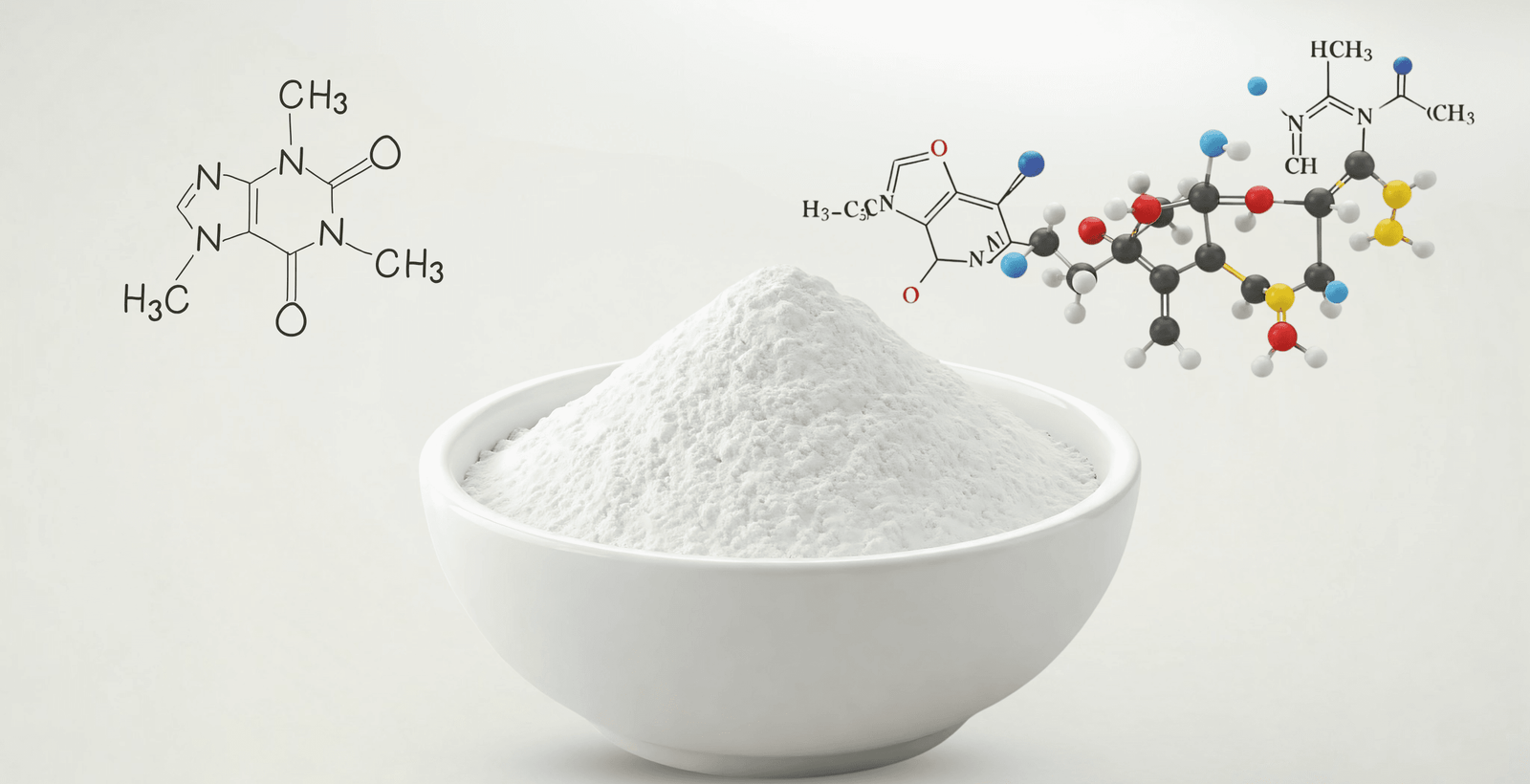
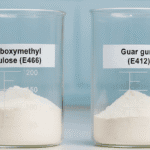
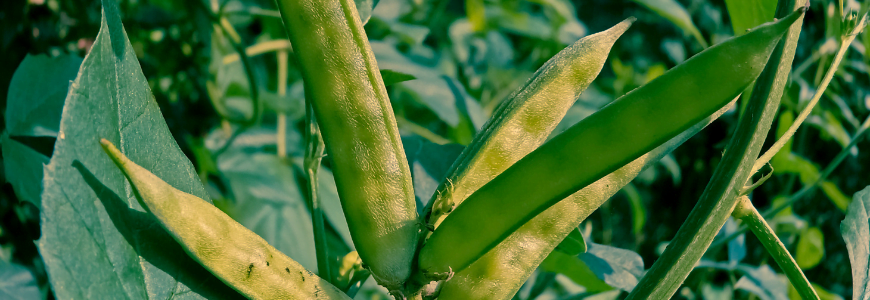
Guar gum is a plant-derived hydrocolloid obtained from the endosperm of guar seeds (Cyamopsis tetragonoloba). It is primarily composed of galactomannan, a natural polysaccharide known for its water-binding and thickening properties.
It is commonly identified as E412 in food ingredient applications.
When guar gum comes into contact with water, it hydrates and forms a viscous solution. Even in relatively small quantities, it can influence the flow behaviour, consistency and texture of a formulation.
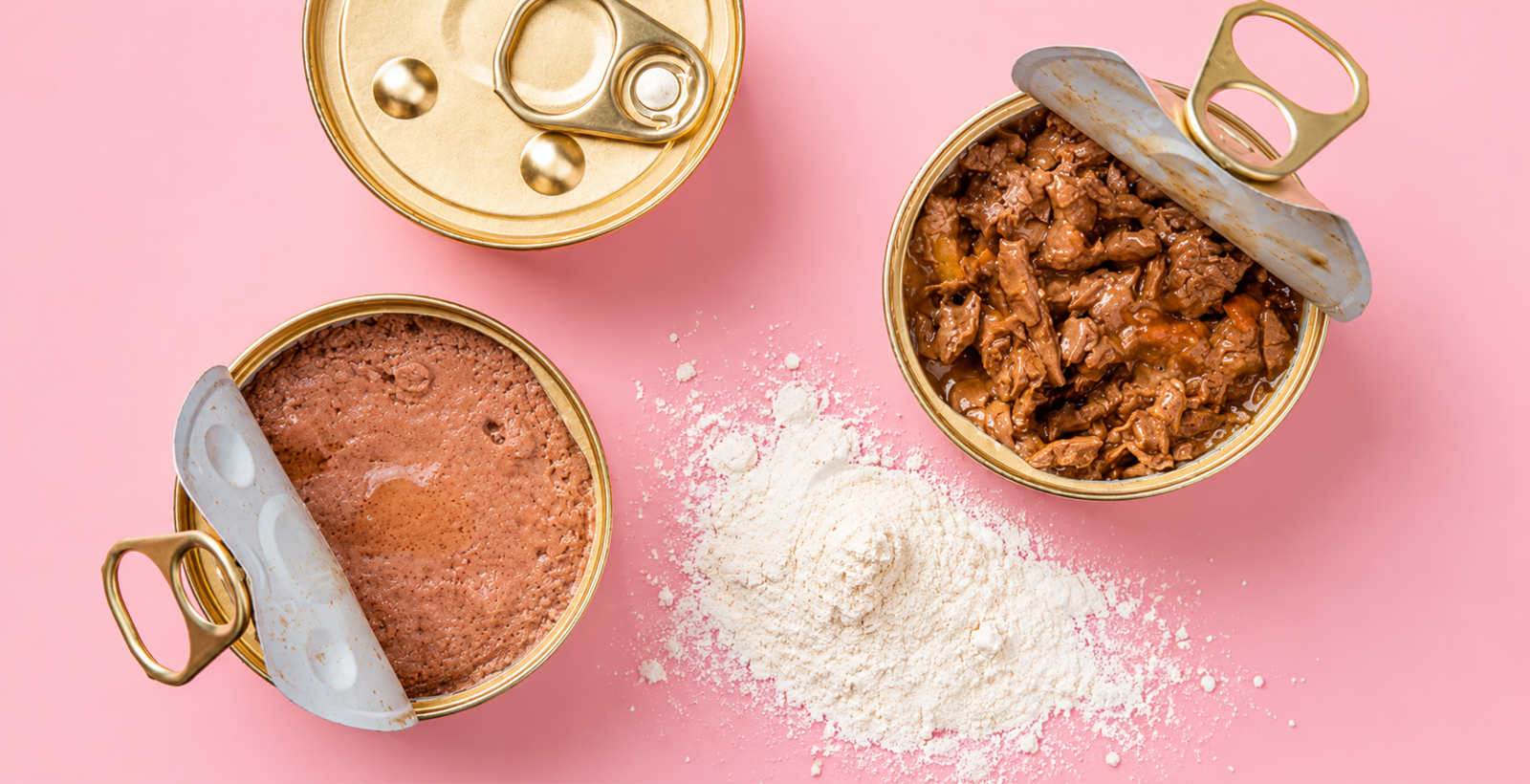
This functionality makes guar gum in dog food particularly relevant to manufacturers producing wet, canned and other moisture-containing pet food products.
Rather than acting as a primary source of protein, fat or essential vitamins, guar gum performs a technological function. It helps manufacturers manage the physical properties of the food and achieve the required product consistency.
Its main applications include:
1. Improving Texture and Consistency:
Texture is an important characteristic of wet dog food. Products need to maintain a suitable consistency during manufacturing, packaging, storage and serving.
Guar gum helps increase viscosity, allowing manufacturers to control how thick or smooth a formulation becomes.
This is particularly useful in pâté-style products (moist, smooth‑texture wet food), gravies and other wet food varieties where texture is an important part of product quality.
2. Acting as a Thickener:
One of the main functions of guar gum is thickening.
Its ability to absorb water and increase viscosity helps manufacturers develop formulations with the desired thickness. This can be important when producing wet food that needs to remain consistent rather than becoming excessively watery or thin.
For this reason, guar gum is used as a functional thickening ingredient in selected pet food formulations.
3. Supporting Product Stability:
Guar gum can also contribute to the physical stability of a food formulation.
Depending on the complete recipe and processing conditions, it can help maintain a more uniform consistency and reduce undesirable changes in the product’s structure.
This is one reason hydrocolloids are considered useful pet food stabilizers in certain wet food applications.
However, the final results depend on the interactions between guar gum, other ingredients, water content and processing conditions.
4. Supporting Water Management:
Guar gum has strong water-binding properties. It interacts with water during hydration and influences the movement and distribution of moisture within a formulation.
This property can help manufacturers manage the consistency of moisture-rich dog food products.
It is particularly useful when developing formulations that require controlled viscosity and a consistent texture.
Guar Gum in Different Types of Pet Food
The use of guar gum depends on the food category, recipe and desired processing characteristics.
i). Wet and Canned Dog Food:
Wet dog food is one of the most relevant applications for guar gum.
These products generally contain more moisture than dry kibble and often require suitable thickening or stabilizing ingredients to achieve the desired structure.
Guar gum in wet dog food can help improve viscosity and maintain a consistent texture in products such as:
• Canned dog food
• Meat-based pâtés
• Gravy-style dog food
• Moist food blends
• Other semi-moist formulations
A study published in the Journal of Animal Science examined the effects of guar gum and other gums on the appearance, texture and heating characteristics of wet pet food. The researchers found that gums and gelling carbohydrates influenced batter consistency, heat penetration and certain physical characteristics of the finished products.
This highlights why manufacturers need to consider the functional properties of hydrocolloids when designing wet pet food formulations.
ii) Dry Dog Food
Dry dog food is generally produced through processes such as extrusion, followed by drying.
Its main formulation requirements differ from those of canned food. Protein sources, starches, fats and other components play important roles in the structure and nutritional profile of the finished kibble.
Guar gum may be considered in selected dry food formulations, but its use depends on the specific processing requirements and the function needed. It should not be assumed to be a standard ingredient in every dry dog food product.
iii) Dog Treats
Dog treats are available in several textures, including crunchy biscuits, soft chews and semi-moist products.
Depending on the recipe, hydrocolloids can be used to influence binding, texture and moisture management.
Therefore, guar gum in dog treats may be relevant in selected formulations where manufacturers require additional control over consistency or product structure.
Its application should always be evaluated according to the final product characteristics and manufacturing process.
Is Guar Gum Safe for Dogs?
One of the common questions surrounding guar gum for dogs is whether it is safe when included in commercially formulated pet food.
The answer depends on the concentration, quality of the ingredient, intended use and overall formulation.
Guar gum has been evaluated as a technological feed additive by the European Food Safety Authority (EFSA).
In its 2026 scientific assessment, EFSA concluded that guar gum does not raise concerns regarding genotoxicity. The assessment also considered tolerance studies in dogs and cats and established species-specific safe use concentrations for complete feed.
For dogs, the assessment considered guar gum safe at an analysed concentration of 13,400 mg/kg complete feed under the conditions examined. EFSA also recommended post-market monitoring to help identify any potential long-term effects, particularly in dogs and cats.
This is an important distinction: the assessment does not mean that every concentration is suitable for every pet food product. Manufacturers must follow the applicable regulations and evaluate the ingredient within their specific formulation.
In the United States, guar gum is also listed in the relevant food-substance regulations as a stabilizer for animal feed, subject to good manufacturing practice requirements.
For more information, manufacturers can consult the EFSA scientific opinion on guar gum and the FDA’s pet food regulatory guidance.
Guar Gum and Dogs: Are There Any Side Effects?
The topic of guar gum and dogs is often associated with questions about digestion and ingredient tolerance.
Guar gum is a soluble dietary fibre and its behaviour in the digestive system can differ from that of conventional protein, fat and carbohydrate ingredients.
As with other fibres and additives, the amount included in a formulation matters. Individual dogs may also respond differently depending on their digestive sensitivity, overall diet and health condition.
Excessive quantities of certain soluble fibres may influence stool consistency or cause digestive discomfort in some animals. However, this should not be interpreted as meaning that properly formulated dog food containing guar gum is inherently harmful.
For pet food manufacturers, the important considerations are:
• Use ingredients that meet the required specifications.
• Follow applicable regulatory limits and conditions of use.
• Evaluate the complete formulation rather than considering an ingredient in isolation.
• Carry out appropriate product testing and quality checks.
• Monitor product performance and customer feedback.
Pet owners who notice persistent digestive problems after a dietary change should consult a veterinarian rather than attempting to identify or remove individual ingredients without guidance.
Understanding Dog Food Additives and Their Functions
Not every ingredient in dog food is included to provide direct nutritional value. Some ingredients are added to improve the product’s processing characteristics, appearance, texture or stability.
These are commonly referred to as dog food additives.
Depending on the formulation and applicable regulations, additives may perform several functions:
Guar gum mainly belongs to the thickening, stabilizing and emulsifying category in relevant applications.
It is important to understand that additives do not replace the nutritional ingredients needed for a complete and balanced diet. Their purpose is to support the product’s formulation and manufacturing characteristics.
How to Read a Pet Food Ingredients List
A pet food ingredients list can provide useful information about the components used in a product.
However, simply looking at the first ingredient does not tell the complete story.
In the United States, AAFCO explains that pet food ingredients are listed individually in descending order by weight. Therefore, the first ingredient accounts for the greatest weight when the ingredients are added to the formulation.
Here are a few things worth checking when reviewing a label:
1. Protein sources: Identify the animal or plant-based protein ingredients used.
2. Carbohydrate sources: Look for grains, starches and other energy-providing ingredients.
3. Fat sources: Check which oils or animal fats are included.
4. Functional ingredients: Notice the presence of thickeners, stabilizers and other additives.
5. Nutritional adequacy: Check whether the food is formulated for the appropriate life stage and nutritional requirements.
For example, seeing guar gum on a dog food label indicates that it has been included as part of the formulation. Its position in the ingredient list does not, by itself, establish its exact functional performance or nutritional importance.
For further information, readers can refer to AAFCO’s guide to reading pet food labels.
Choosing Quality Ingredients for Pet Food Manufacturing
For pet food manufacturers, selecting the right raw materials is just as important as developing the formulation itself.
Reliable pet food ingredients suppliers help manufacturers maintain consistency, meet product specifications and manage their production requirements.
When evaluating a supplier of guar gum or other functional ingredients, manufacturers should consider:
• Product identity and traceability
• Purity and applicable quality specifications
• Consistency between production batches
• Viscosity and hydration characteristics
• Microbiological and contaminant testing, where applicable
• Suitable technical documentation and certificates of analysis
• Compliance with the destination market’s regulatory requirements
• Appropriate packaging and storage conditions
The quality of guar gum can influence its performance during hydration and processing. Factors such as particle size, viscosity, moisture content and dispersion characteristics should therefore be evaluated according to the intended application.
Manufacturers looking for dependable pet food ingredients suppliers should also consider the supplier’s quality management practices, production capabilities and ability to provide consistent technical support.
At Durga Enterprises, we understand the importance of ingredient quality and consistency in food-grade applications. Our experience in manufacturing and supplying guar gum powder supports our focus on product specifications, quality control and reliable supply.
Final Thoughts
The quality of a finished pet food product depends on the right combination of nutritional ingredients and functional components.
From protein sources and fats to fibres and technological additives, every ingredient has a role in developing a suitable formulation. While some ingredients provide essential nutrients, others help manufacturers achieve the desired texture, consistency and stability.
Guar gum in pet food is one such functional ingredient. Its water-binding and thickening properties make it useful in selected wet dog food, canned food and other moisture-containing formulations.
Understanding dog food ingredients therefore means looking at both their nutritional contribution and their technological purpose.
For pet food manufacturers, choosing suitable ingredients, working with reliable suppliers and maintaining consistent quality standards are important steps towards developing well-formulated products.