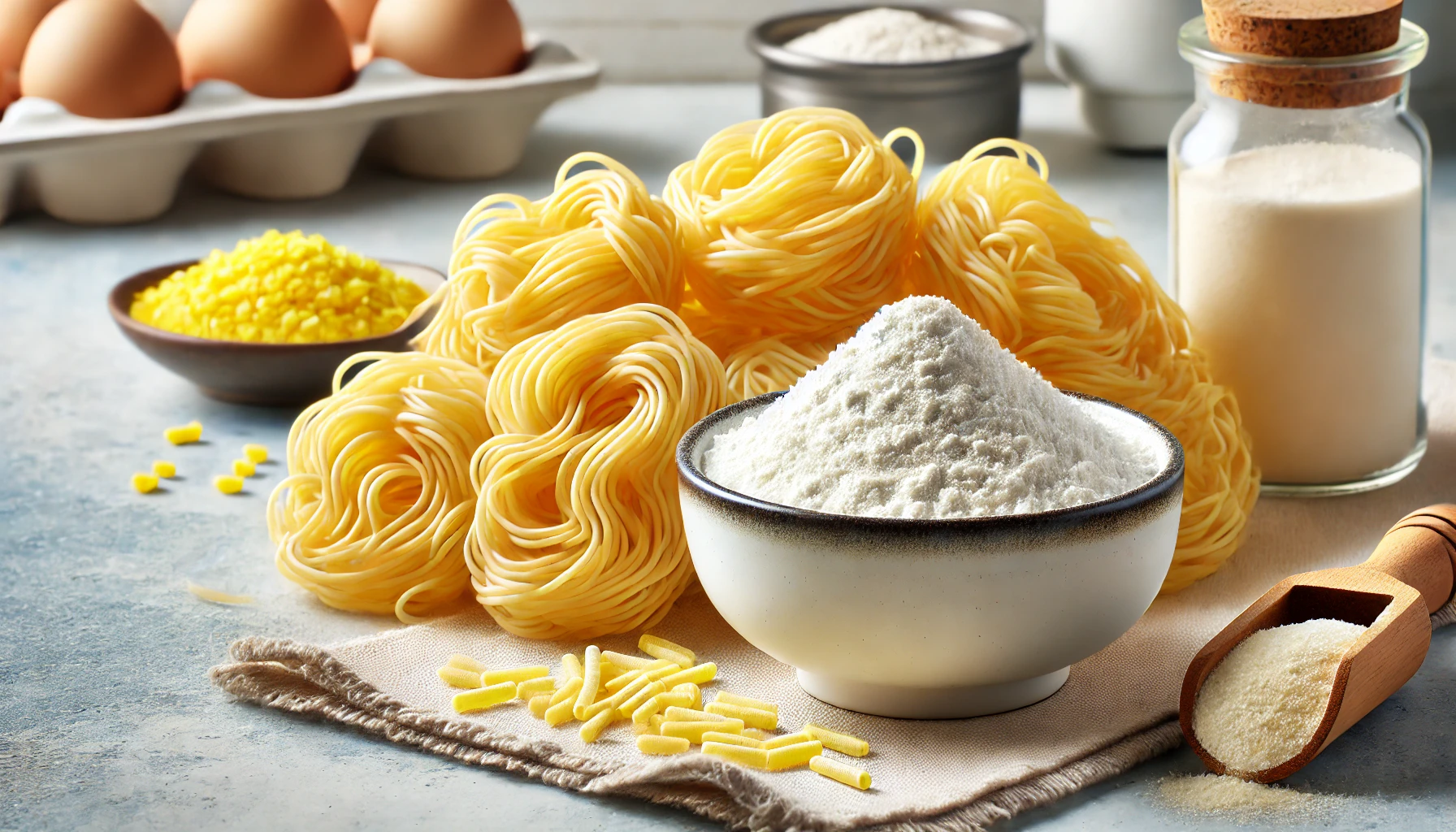
Wheat bran is the outer layer of the wheat grain that is separated during the milling process. It is a natural source of dietary fibre and contains a range of nutrients that make it useful across food, bakery, livestock, and animal nutrition applications.
With its fibrous texture and naturally occurring nutrients, wheat bran is commonly used as an animal feed ingredient and is also found in selected food products. Depending on the intended application, it can be supplied in different forms, including flakes, flour, powder, and pellets.
For buyers looking for consistent quality and reliable supply, properly processed wheat bran bulk is an important consideration, especially for feed mills, livestock farms, distributors, and international buyers.
During wheat milling, the grain is processed to separate the flour from the outer layers. The material obtained from these outer layers is known as wheat bran.
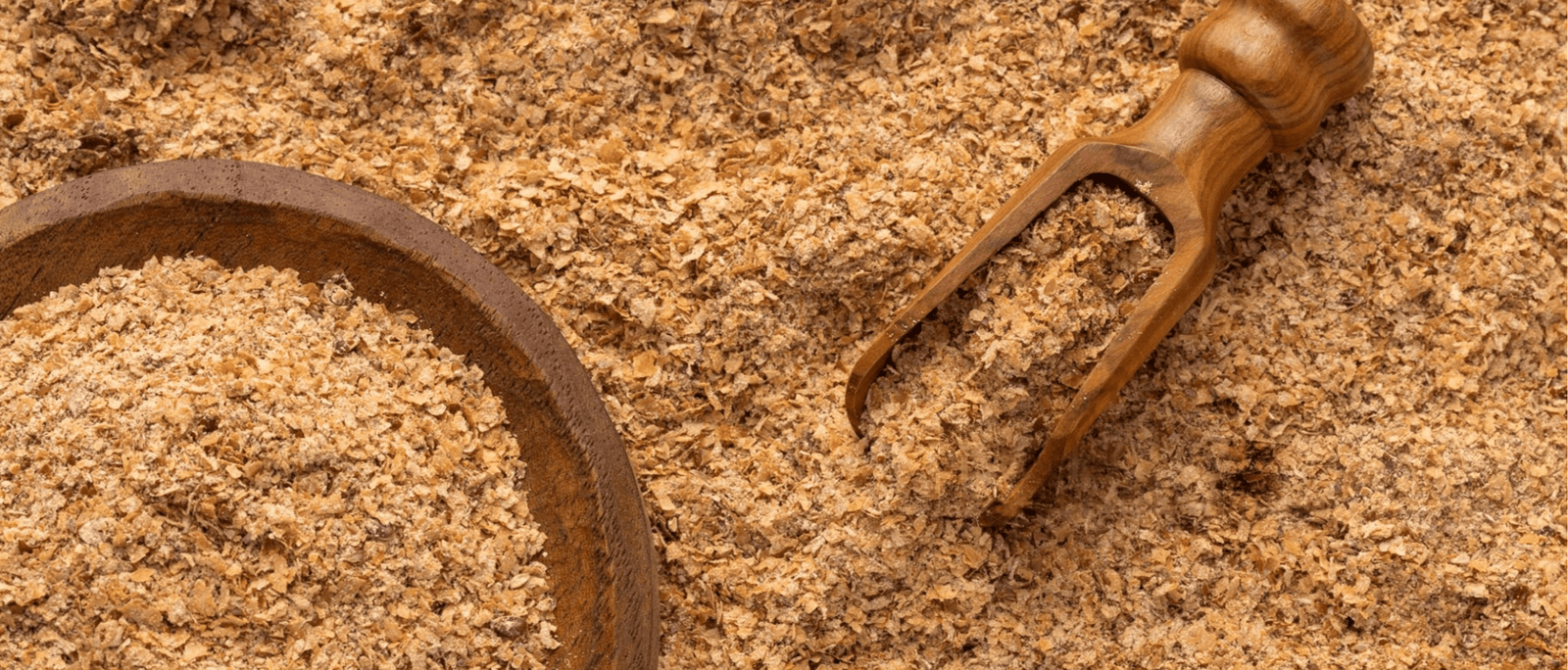
Unlike refined wheat flour, bran contains a significant portion of the grain’s natural fibre. Its appearance can range from light brown to golden brown, depending on the wheat and processing method.
Wheat bran unprocessed is generally coarser and retains more of its original structure, while milled versions can be made into finer particles for easier mixing and handling.
Because of its natural composition and versatility, wheat bran has become a widely used wheat by-product in animal nutrition and food applications.
Wheat Bran Popularity:
Wheat bran nutrition is one of the main reasons for its popularity. It is naturally rich in dietary fibre and also contains proteins, carbohydrates, minerals, and other components naturally present in the wheat grain.
The exact nutritional profile can vary depending on the wheat variety, milling process, and degree of processing.
For animal feed manufacturers, its fibre content and overall nutritional composition make wheat bran for animal feed a useful ingredient for developing balanced feed formulations.
For human food applications, wheat bran is often incorporated into products where additional fibre and a characteristic grain texture are desired.
Wheat Bran Benefits:
There are several wheat bran benefits that make it a valuable agricultural and milling product:
Naturally High in Fibre
Wheat bran is well known for its naturally high fibre content. This makes it particularly useful in products where fibre is an important part of the formulation.
Versatile Ingredient
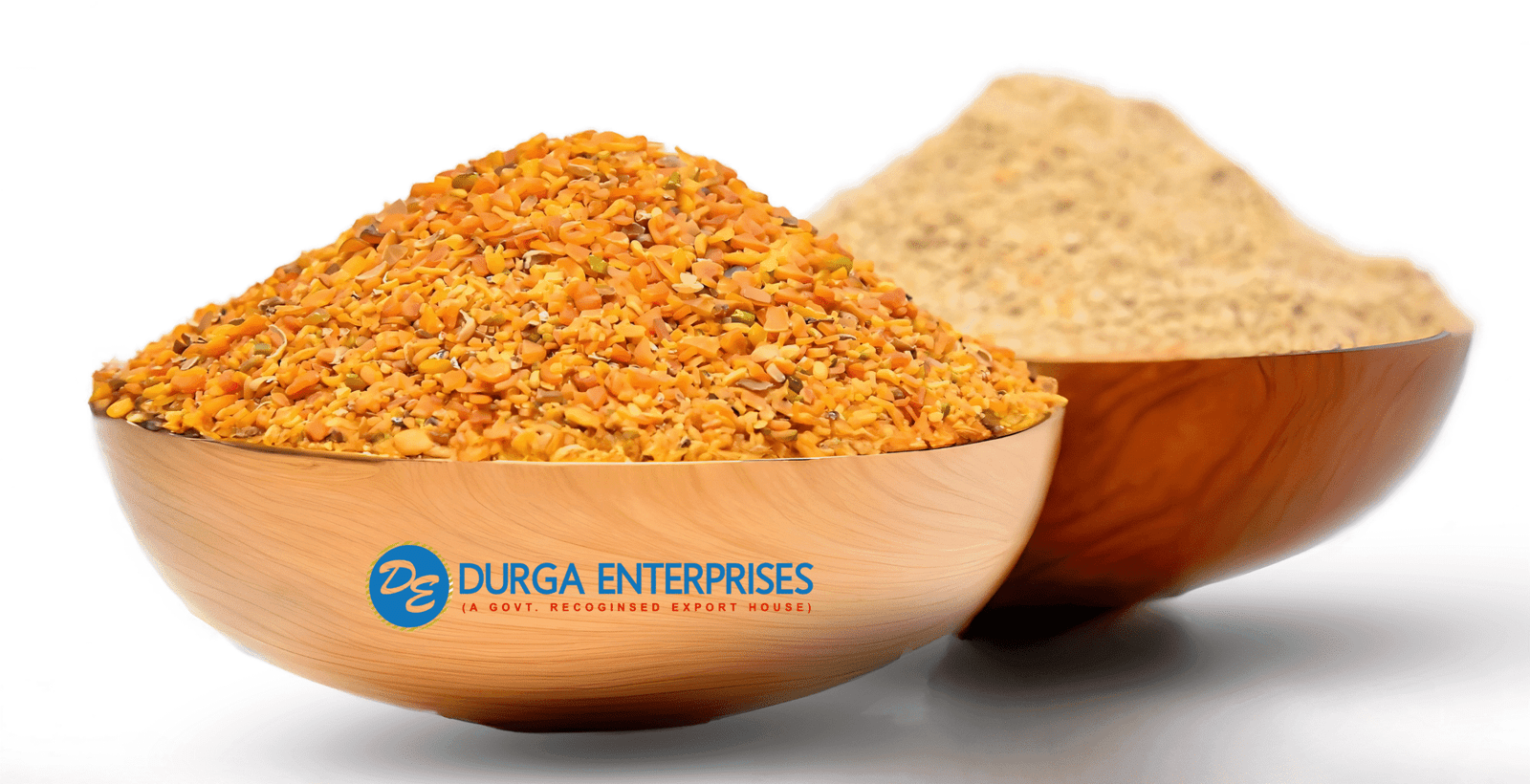
It can be supplied as coarse bran, flakes, flour, powder, or pellets, giving buyers flexibility according to their processing and handling requirements.
Useful in Animal Nutrition
Wheat bran for animal feed is commonly used in livestock and feed formulations. It can be incorporated into feed for cattle, poultry, and other farm animals depending on the overall nutritional requirements of the formulation.
Valuable Wheat Milling By-Product
Wheat bran provides a practical use for an important by-product of wheat milling. Instead of being discarded, it can be used in feed, food, and other applications.
Easy to Blend
Depending on its particle size and form, wheat bran can be mixed with other feed materials relatively easily. This makes it practical for feed mills and bulk handlers.
Different Forms of Wheat Bran:
The form of bran required often depends on the application and processing equipment.
Wheat Bran for Animal Feed:
The feed industry is one of the major application areas for wheat bran for animal feed ingredients. It can be incorporated into feed formulations as a source of fibre and other naturally occurring nutrients.
Feed manufacturers may use wheat bran alongside ingredients such as grains, oilseed meals, protein sources, minerals, and other feed materials to develop formulations suited to different animals.
Its relatively easy handling and availability make it a practical animal feed ingredient for commercial feed production.
However, the appropriate inclusion level depends on the animal species, age, nutritional requirements, and overall feed formulation. Buyers should therefore evaluate wheat bran based on a complete nutritional specification rather than considering fibre content alone.
Wheat bran is commonly blended with other grains and supplements to formulate balanced rations for:
Dairy cattle and beef cattle
Swine
Goats and sheep
Aquaculture feed in some formulations
Wheat Bran for Food Applications:
Although animal nutrition is an important application, wheat bran is also used in food products.
It may be incorporated into bakery products, cereals, fibre-rich foods, and other formulations where a natural wheat fibre source is required.
Wheat bran flakes and finely milled bran can provide different textures depending on the product. In bakery applications, for example, particle size can influence the final texture and appearance of the finished product.
For food manufacturers, factors such as cleanliness, moisture, particle size, microbiological quality, and consistent supply are important when selecting a wheat bran supplier.
Wheat Bran Supplier:
As a major wheat-producing country, India has an established agricultural and food-processing industry capable of supplying wheat-based products to international markets. A reliable wheat bran supplier provides consistent product quality, suitable packaging, documentation, and dependable shipment planning.
For international buyers looking for wheat bran powder export, specifications should ideally be confirmed before placing an order. Parameters such as moisture, fibre, protein, particle size, microbiological requirements, packaging, and other buyer-specific specifications may be agreed upon depending on the intended application.
The wheat bran price can vary depending on several factors, including wheat market conditions, availability, processing costs, particle size, quality specifications, packaging, order quantity, and destination.
As a major wheat-producing country, India has an established agricultural and food-processing industry capable of supplying wheat-based products to international markets. A reliable wheat bran exporter provides consistent product quality, suitable packaging, documentation, and dependable shipment planning.
For international buyers looking for wheat bran powder export, specifications should ideally be confirmed before placing an order. Parameters such as moisture, fibre, protein, particle size, microbiological requirements, packaging, and other buyer-specific specifications may be agreed upon depending on the intended application.
The wheat bran price can vary depending on several factors, including wheat market conditions, availability, processing costs, particle size, quality specifications, packaging, order quantity, and destination.